
Why New Jersey Yards Are a Hotspot for Ticks & Mosquitoes (And What to Do About It)
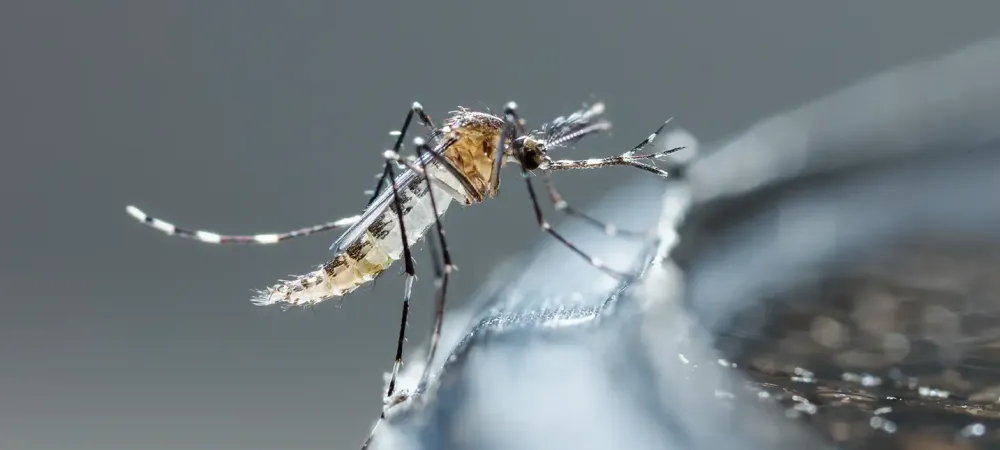
New Jersey has a reputation for a reason: it's consistently ranked among the states with the highest tick and mosquito activity in the country. If you feel like your backyard is under constant attack from bites and buzzing, it's not your imagination—it's your zip code. The state's mix of humidity, wooded borders, and dense suburban landscaping creates near-perfect conditions for these pests to thrive.
Understanding why your yard is so appealing to ticks and mosquitoes is the first step in taking it back.
What makes New Jersey yards so attractive to ticks and mosquitoes?
New Jersey's geography works against homeowners in a few specific ways.
- Humid, temperate climate: Warm, wet summers and mild springs give both mosquitoes and ticks a long active season, often from April through October.
- Fragmented woodlands: Suburban towns across our service area—from Basking Ridge to Warren to Bernardsville—sit right up against wooded lots, greenbelts, and reservations, which are prime tick habitat.
- Abundant deer and rodent populations: Ticks rely on deer and small mammals as hosts. The more wildlife activity nearby, the more ticks get carried onto neighboring properties.
- Shady, moist landscaping: Mulch beds, ornamental shrubs, stone walls, and leaf litter all hold moisture and shade—exactly what ticks need to survive between hosts.
Why do mosquitoes seem worse here than other places?
Mosquitoes don't need much to get started—just standing water and warmth.
- Frequent summer rainfall leaves behind puddles, clogged gutters, and soggy low spots that mosquitoes use as breeding grounds.
- Dense residential development means more birdbaths, kiddie pools, drainage ditches, and decorative water features per acre than in rural areas.
- Heavy tree canopy in many NJ neighborhoods keeps yards shaded and humid long after it rains, extending the window mosquitoes have to breed.
What does this mean for your family and pets?
Beyond the itch factor, ticks and mosquitoes in New Jersey carry real health risks. Ticks are a known source of Lyme disease, and mosquitoes can transmit West Nile virus—both of which are documented across our service area. Kids and pets who spend time on the lawn or near garden beds are especially exposed, since that's exactly where these pests live and wait.
This is also why yard habits alone rarely solve the problem. You can mow regularly and clear brush, but if the surrounding neighborhood has an active tick and mosquito population, your yard will keep getting reinfested without ongoing treatment.
What can homeowners actually do about it?
A combination of smart yard maintenance and professional treatment is the most effective approach.
- Reduce standing water around gutters, containers, and low-lying areas.
- Keep grass cut short and edges trimmed, especially where lawn meets wooded or brushy areas.
- Clear leaf litter and overgrown mulch beds near play areas and patios.
- Add a recurring, professional treatment program that targets breeding and resting sites throughout the season rather than just knocking down visible pests.
Royal Turf's professional mosquito and tick control program is built specifically around what makes New Jersey yards vulnerable—treating the areas where these pests actually live, breed, and feed. For a closer look at seasonal timing, our spring pest defense guide breaks down when to start treatment each year.
Not sure if your yard needs a treatment plan yet?
If you're dealing with recurring bites, visible ticks after time outside, or a yard that borders woods or brush, it's worth a closer look. Check out 5 signs your backyard needs a mosquito and tick treatment plan to see how your property stacks up—or skip ahead and contact Royal Turf to get a plan started before peak season hits.