
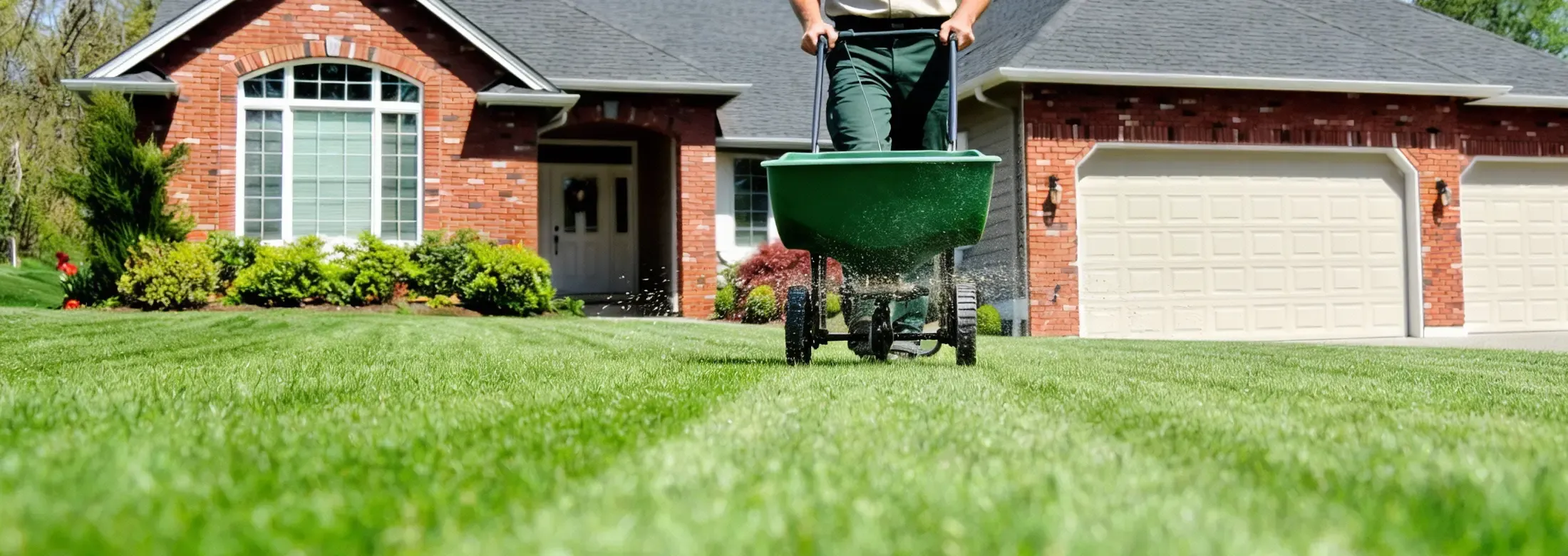
Lawn Aeration in Westfield
You've tried everything, and your grass still won't grow the way you want it to. Bare spots keep showing up, growth stalls out, and no matter how much you water or fertilize, the lawn just doesn't respond. That's not a watering problem. That's a soil problem.
Compacted soil blocks water, oxygen, and nutrients from reaching the roots. Over time, grass thins out, patches form, and the lawn loses its ability to recover on its own. Heavy clay soils make this worse, and foot traffic or heavy rain can push things even further in the wrong direction.
Core aeration and overseeding fix this at the source. The process pulls plugs from the soil to open it up, letting roots go deeper and giving new grass seed the best possible environment to take hold. Spring and fall are the ideal times to do this, and the results carry through the entire growing season.
Here's why homeowners in Westfield choose Royal Turf:
- Pulls plugs from the soil, not spikes that compact it further
- Premium grass seed matched to your exact lawn conditions
- Trained technicians who identify your current turf and what it needs
- Fills in thin, worn, and bare spots with thick, even growth
- Stronger root systems that hold up through drought and disease
- Better water absorption and less runoff after rain
- 44 years of results homeowners can see
If your grass hasn't responded to anything else, this is the step that's been missing. Royal Turf is ready to help you get there.
Additional Services in Westfield

A truly healthy lawn requires more than just regular fertilization—it needs targeted care to prevent problems before they take hold and to rejuvenate areas stressed by weather, traffic, or pests. We offer additional lawn care service add-ons that are designed to complement your regular maintenance program, giving your yard the extra attention it needs to thrive all season long.
Disease Shield Program (Add-On)
Protect your lawn from destructive summer fungal diseases with a 4-step preventative program:
- Targets: Brown Patch, Summer Patch, Leaf Spot, Dollar Spot, and Red Thread.
- Schedule: Monthly applications from May through August.
- Benefit: Keeps lawns vibrant and healthy while preventing costly fall repairs.
Core Aeration & Overseeding
The ultimate “health reset” for your lawn:
- Relieve Soil Compaction: Removes soil plugs to allow oxygen, water, and nutrients to reach roots.
- Genetic Upgrades: Overseeds with drought-resistant, disease-tolerant grass varieties.
- Thatch Mitigation: Breaks down spongy layers where pathogens thrive.
- Natural Weed Defense: Dense grass crowds out opportunistic weeds.
Result: Deep, strong roots, improved drought resilience, and a lush, uniform lawn.
Your Lawn Deserves More Than a Surface-Level Fix
Heavy clay soil, foot traffic, and seasonal stress are working against your lawn every single day. Compacted soil cuts off the air, water, and nutrients your grass needs to develop strong, deep root systems. At Royal Turf, we fix the problem at its source with professional core aeration and overseeding services designed for Westfield lawns and the specific soil conditions here.
How Our Core Aeration and Overseeding Process Works
Every step in our process is deliberate, and here is what you can expect from start to finish.
- A trained technician visits your property and evaluates current turf conditions, soil compaction levels, and any visible signs of stress or disease pressure.
- We use core aeration equipment that pulls millions of plugs from the soil rather than driving spikes down, which would compact the ground further.
- The open channels created by coring allow deeper oxygen flow, better water penetration, and stronger root development throughout the turf.
- Our technician identifies the exact grass varieties already growing on your property to select the highest quality seed that matches your specific site conditions.
- Premium overseeding is applied directly into the prepared seedbed, filling in thin or worn areas and promoting thick, even grass growth across the entire lawn.
- We walk you through aftercare recommendations so your investment continues to deliver results well after the service is complete.
If It Comes Back, So Do We
At Royal Turf, we stand behind every service we perform. You deserve results that actually hold up, and our satisfaction guarantee makes sure of that.
If the problem persists after we treat it, we come back out at no extra cost to you. No questions asked, no hoops to jump through, no second invoice.
Lawn Aeration and Overseeding Services in Westfield
If your grass looks thin, brown, or just won't bounce back no matter what you do, compacted soil is usually the culprit. Heavy clay soils, foot traffic, and seasonal rain can press the ground so tight that grass roots simply can't grow the way they need to. That's where aeration and overseeding make a real difference.
According to the Lawn Institute, lawns that receive regular aeration and overseeding develop root systems up to 40% deeper than those that don't, making them far better at handling heat, drought, and everyday wear.
What Royal Turf Does for Your Lawn
Royal Turf uses core aeration, which pulls plugs of soil up and out rather than pushing spikes down. This opens up the ground to let water, oxygen, and nutrients reach the root zone. After aerating, high-quality grass seed is applied to match the specific conditions of your property, filling in weak spots and building a thicker, healthier turf over time.
Homeowners in New Jersey commonly notice these signs that their lawn is ready for aeration and overseeding:
- Soil that cracks or heaves after dry spells
- Puddles forming every time it rains
- Grass blades that thin out or wilt without clear reason
- Spongy turf that dries out fast
- A thick layer of thatch sitting on top of the soil
- Recurring disease or fungus problems
If any of those sound familiar, your lawn is likely overdue for attention, and there's a lot more to know about getting it back on track.
Frequently Asked Questions
Do I need to water my lawn after aeration and seeding?
Yes—consistent watering is one of the most important steps after aeration and seeding. Once the seed is down, it needs moisture to germinate and develop healthy roots. Here's what we typically recommend:
- Immediately after seeding: Lightly water the entire lawn to settle the seed into the soil and moisten the surface.
- Weeks 1–2: Water lightly once or twice a day, keeping the top inch of soil consistently damp—but not soaked. The goal is to keep the seed moist without causing runoff or puddles.
- Weeks 3–4: As the grass begins to sprout and grow, gradually reduce watering frequency but increase the amount of water per session. This encourages deeper root development.
- After 4 weeks: Watering can typically return to a regular lawn schedule (about 1 inch of water per week, including rainfall), depending on weather and grass type.
Skipping or inconsistent watering can lead to poor germination and patchy results, so staying on top of it—especially in the first few weeks—is key to a lush, healthy lawn.
How often should I aerate my lawn?
Most lawns benefit from aeration once a year, especially if they experience heavy foot traffic, clay soil, or signs of compaction or thinning.
Should I aerate before seeding my lawn?
Yes, aerating before seeding is one of the best ways to ensure successful seed germination. Aeration loosens compacted soil and creates small holes or “pockets” that give new grass seed direct contact with the soil—this improves seed-to-soil contact, which is essential for healthy growth. It also allows water, air, and nutrients to reach the root zone more easily, helping both existing and new grass develop strong roots. When paired together, aeration and seeding work hand-in-hand to create a thicker, healthier, and more resilient lawn.
When is the best time to aerate and seed my lawn?
The best time to aerate and seed your lawn depends on the type of grass you have. Seeding outside of these windows can lead to poor germination or weak root development, especially if temperatures are too hot or too cold. For the best results, we also recommend pairing aeration and seeding with proper watering and fertilization tailored to your grass type.
For cool-season grasses (like fescue, Kentucky bluegrass, and ryegrass), the ideal time is early fall (September to October). The soil is still warm, but the air is cooler—perfect conditions for seed germination and root development. Spring (March to early May) is also a viable option, though fall typically yields better long-term results. For warm-season grasses (like Bermuda, zoysia, and centipede grass), the best time is late spring to early summer (May to June), when these grasses are actively growing. Aerating and seeding during this time gives new grass the full growing season to establish.