
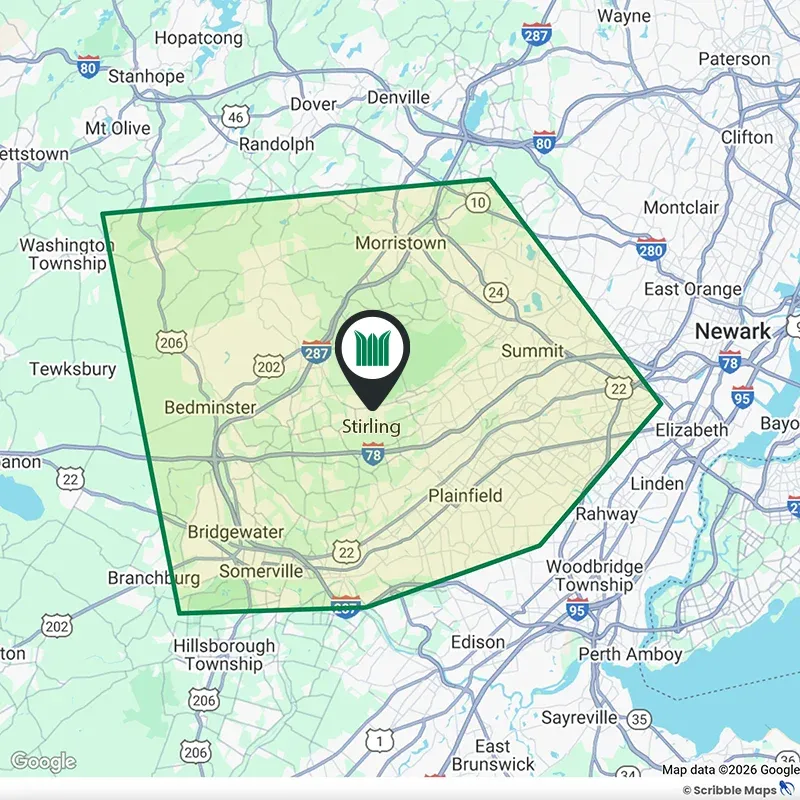
Tree & Shrub Care in Summit
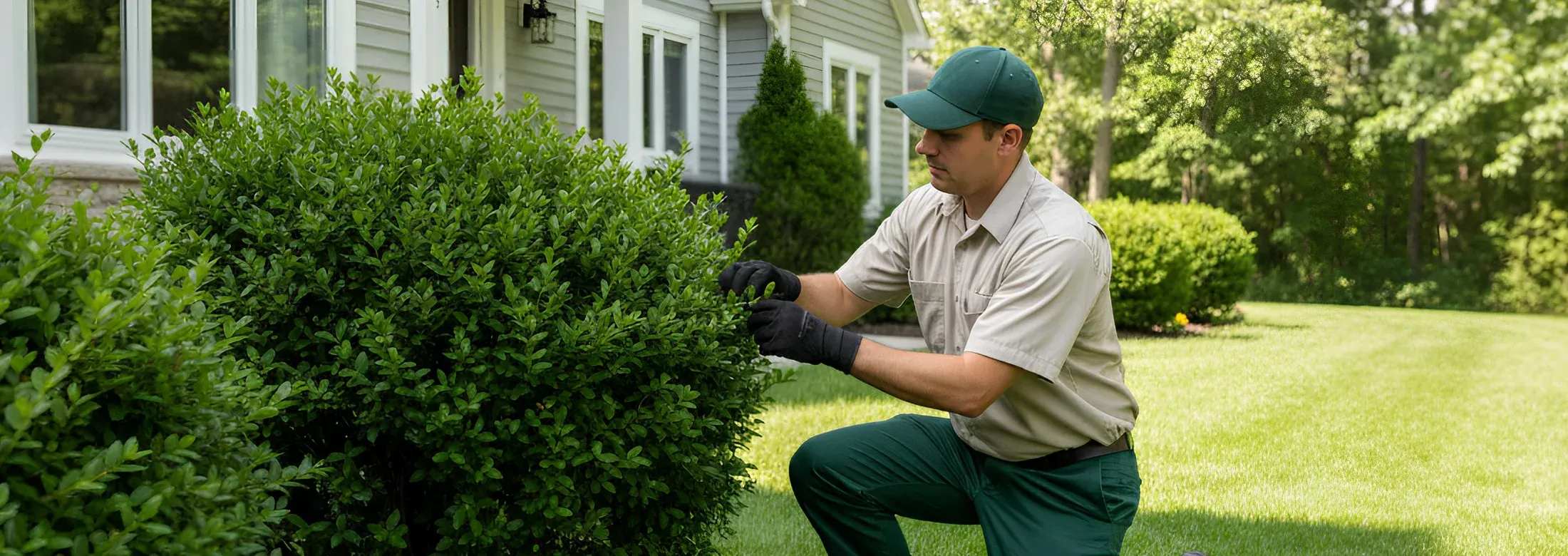
New Jersey's landscapes are genuinely some of the most beautiful in the country, and the trees and shrubs in your yard are a big reason why. They add real value to your property and pull the whole look of your landscape together. But keeping them healthy takes more than good soil and rain.
Trees and shrubs face constant pressure from insects, fungal disease, and nutritional deficiencies that can quietly do serious damage before you ever notice something is wrong. Just like your lawn, your ornamental plants need consistent, expert attention to stay vibrant and protect the investment you've made in your property.
That's where Royal Turf comes in. With 44 years working across New Jersey landscapes, our tree doctor knows how to spot problems early and treat them right the first time, whether it's an insect doing damage underground or a fungus taking hold on your Holly. We back that experience with advanced products and the kind of plant knowledge that only comes from working with the wide variety of exotic and ornamental species that make up a true Garden State landscape.
Here's what our Arborist and plant health team offers in Summit:
- Tree Fertilization
- Root Zone Feeding Injections
- Tree Injections
- Insect and Bug Control
- Disease Treatments
- Emerald Ash Borer Control
- Shrub Care
- And Mulch Bed Weed Control
Your trees and shrubs deserve the same level of care as the rest of your lawn. Give them the attention they need and they'll keep your property looking its best for years to come.
Additional Services in Summit
A beautifully maintained landscape is about more than just a green lawn—your garden beds play a crucial role in your property’s overall curb appeal. Weeds in flower beds or around shrubs can quickly make even the healthiest yard look neglected, and constant hand-weeding is time-consuming and back-breaking. Our bed weed control program provides a simple, effective solution to keep your beds looking clean, polished, and professional all season long.
Bed Weed Control Program (3-Step System)
Maintain pristine garden beds with minimal labor with these seasonal treatments:
- Early Spring: Pre-emergent barrier to stop weed seeds.
- Mid-Summer: Target escaped and heat-loving weeds like Crabgrass and Nutsedge.
- Late Summer: Final sweep to remove late-season weeds.
Benefits:
- Dual-action chemistry kills weeds to the root without disturbing mulch.
- Protects trees and shrubs by preserving water and nutrients.
- Drastically reduces manual weeding labor for a polished, hands-off look.
With our 3-step system, your garden beds stay neat and healthy without the constant effort, letting you enjoy a vibrant, low-maintenance landscape that enhances your home’s beauty and value year-round.
Warning Signs Your New Jersey Trees and Shrubs Are in Trouble
New Jersey's diverse landscape is home to everything from native oaks and laurels to exotic ornamentals that add real character to your property. But that variety comes with a real challenge: each plant species has its own set of vulnerabilities, and the signs of trouble are not always obvious until the damage is already done.
The humid summers, cold Northeast winters, and heavy clay soils found throughout New Jersey create the perfect conditions for fungal disease, insect infestations, and nutrient deficiencies to take hold fast. Knowing what to look for early can mean the difference between a quick recovery and losing a tree or shrub you have invested years into growing.
Here are the most common signs that your ornamental plants and landscape shrubs need attention:
- Black, sooty residue forming on holly, boxwood, or other broadleaf shrubs, often a sign of insect activity
- Small, irregular holes scattered across laurel and cherry laurel leaves, pointing to a bacterial or boring insect problem
- Winding, discolored trails on boxwood leaves caused by leaf miner larvae feeding inside the leaf
- Yellowing or pale foliage on shrubs and ornamental trees, which can signal a nutrient deficiency or poor root zone health
- Wilting or browning at the branch tips following harsh winter months, especially in tropical or semi-tropical landscape plantings
- Weeds overtaking mulch beds, reducing curb appeal and competing with your plants for water and nutrients
- Thinning canopy or dieback on otherwise healthy-looking trees, often caused by below-ground stress or root zone feeding problems
Catching these signs early is what separates a struggling landscape from one that stays healthy season after season. Royal Turf brings the diagnostic expertise needed to identify exactly what is affecting your plants and get the right treatment in place before small problems become serious ones.
Treatments Your Family Can Feel Good About
Royal Turf uses a family-friendly, reduced-risk approach on every visit. Treatments go where pests hide, not where your family lives, using targeted crack-and-crevice placement and bait stations kept away from play areas and pet bowls.
We also follow right-rate dosing and give you clear re-entry guidance, so your home is ready to use again without the worry.

Warning Signs Your Trees and Shrubs Are in Trouble in New Jersey
Trees and shrubs go through a lot in New Jersey. Between harsh winters, humid summers, and an incredible variety of plant species, there are plenty of opportunities for insects, disease, and environmental stress to take hold. The sooner you spot a problem, the better your chances of saving what you have.
Common Threats Targeting Trees and Shrubs
From aphids and bagworms feeding on foliage to emerald ash borers tunneling beneath bark, insect damage is one of the most destructive forces working against your landscape. Fungal issues like leaf spot and blight spread fast in wet conditions, while scale insects drain the life out of ornamental shrubs and leave behind a sticky black residue. Leaf miners carve through boxwoods, and the stress of Northeast winters pushes even established plants to their limits. These are not rare occurrences. They are regular challenges that come with having a real, thriving landscape in this region.
Signs Something Is Wrong With Your Plants
Watch your trees and shrubs closely for these warning signs in New Jersey:
- Yellowing, curling, or dropping leaves outside of normal seasonal changes
- Black or sooty residue forming on leaf surfaces or stems
- Small holes or sawdust-like frass along trunks and branches
- Bag-like structures hanging from tree branches
- Wilting or dieback on individual branches while the rest of the plant appears healthy
- Distorted, spotted, or discolored foliage with no obvious cause
- Sticky residue on leaves, often a sign of active insect feeding
- Thin, sparse canopies where growth used to be full and strong
Catching these signs early makes a real difference. A problem that looks minor in spring can cause serious, lasting damage by the time summer is over. Royal Turf knows how to read what your plants are telling you and respond with the right solution the first time, not a guess.
Frequently Asked Questions
Do you treat for other tree pests?
Yes, not only do we provide targeted treatments for emerald ash borer, aphids, bagworms, and other common pests in New Jersey. Our trunk injection treatments offer long-lasting protection against destructive insects.
How often do trees and shrubs need fertilization?
Most trees and shrubs benefit from seasonal fertilization treatments, typically 2-3 times per year. Our certified arborists create customized schedules based on your specific plants and local soil conditions.
Is there anything I will need to do to ensure results of my tree & shrub care program?
Yes. While our services will significantly improve your tree and shrubs' overall health and appearance, regular watering, proper drainage, and weed suppression are also essential to maximize the benefits. Our service should be part of your regimen - but not the only thing!