
Bare Spots, Thin Grass, and a Lawn That Won't Quit — What Aeration & Overseeding Actually Does
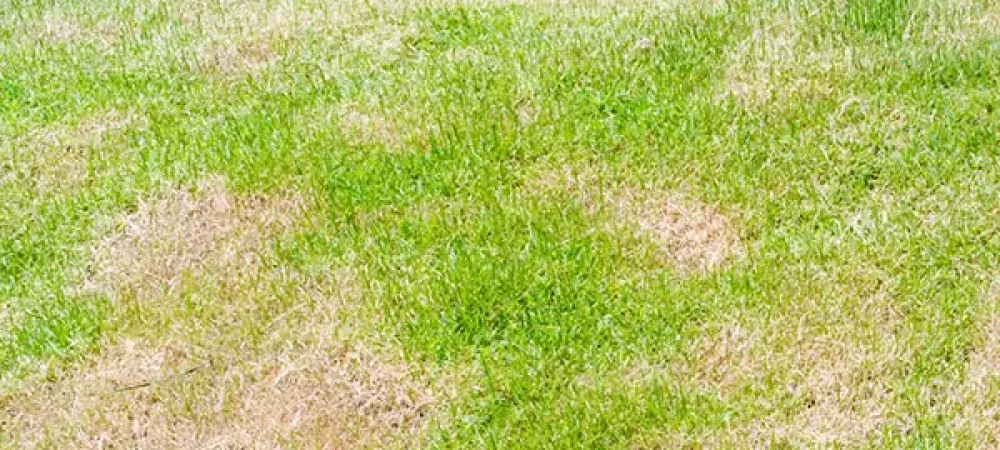
Fertilizing on schedule, watering consistently, and mowing at the right height should be enough to keep a lawn healthy—but for a lot of New Jersey homeowners, bare spots and thin grass show up anyway. When a well-maintained lawn still won't thicken up, the problem usually isn't what's being added to the soil—it's what's blocking the soil from working in the first place. That's where aeration and overseeding come in.
Why does grass thin out even with regular care?
The most common culprit is soil compaction. New Jersey's heavy clay soils compact over time from mowing, foot traffic, and seasonal weather cycles, forming a dense barrier that blocks air, water, and nutrients from ever reaching the root zone. Fertilizer and water can only help a lawn if they actually reach the roots—compacted soil prevents that no matter how consistent the maintenance routine is.
Other common causes of bare and thin patches include:
- Thatch buildup that suffocates grass at the soil surface
- Heavy shade or poor drainage in specific areas of the yard
- Aging turf varieties that were never suited to current sun or soil conditions
- High-traffic zones like play areas, pet paths, or side yards used as walkways
What does aeration actually do?
Core aeration physically removes small plugs of soil from the lawn, relieving compaction and creating direct channels for air, water, and nutrients to reach grass roots. This process:
- Reduces thatch buildup that blocks water and nutrients from the surface
- Improves oxygen flow to root systems that have been starved of it
- Enhances soil structure, reducing runoff and improving water retention
- Strengthens root systems so grass can better withstand drought, disease, and everyday stress
What does overseeding add to the process?
Aeration opens up the soil—overseeding is what actually fills the gaps left by bare spots and thin turf.
- Fresh seed makes direct contact with soil through the channels aeration creates, dramatically improving germination rates compared to seed spread on compacted ground.
- New grass varieties are selected for your yard's specific conditions, whether that means more shade tolerance, better drought resistance, or improved disease resistance than what's currently growing.
- Denser turf naturally crowds out weeds, reducing reliance on additional weed control treatments over time.
- Thicker grass distributes foot traffic and stress more evenly, which helps prevent the same bare spots from reappearing year after year.
Is aeration and overseeding something homeowners can DIY?
Rental aerators and seed spreaders are available, but results vary widely. Our DIY vs. professional lawn care breakdown covers where DIY effort pays off and where it tends to fall short—aeration depth, seed selection, and timing are among the areas where professional equipment and experience make the biggest difference in results.
When should this be done?
Timing plays a major role in how well aeration and overseeding actually work. In most cases, fall is the best time to aerate and overseed a New Jersey lawn, since cooler temperatures and warm soil give new grass the best possible conditions to establish before summer stress returns.
Ready to fix the bare spots for good?
If bare spots and thin grass keep coming back no matter what else you try, the issue is likely underneath the surface. Royal Turf's aeration and overseeding service is designed to solve the compaction problem directly, backed by 44 years of experience with New Jersey's soil and climate. Request a free estimate to get a plan built around what your lawn actually needs.