
Why Fall Is the Best Time to Aerate and Overseed Your New Jersey Lawn
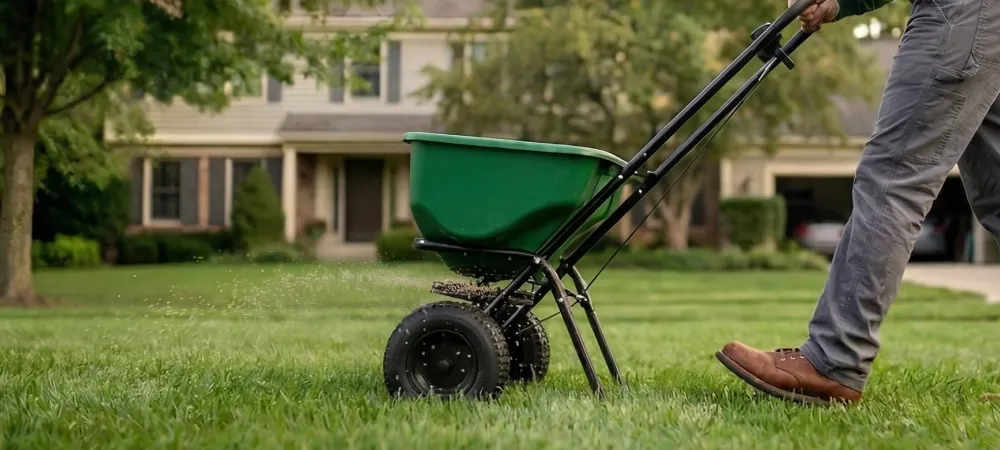
Spring gets most of the attention when it comes to lawn care, but fall is actually the best time of year to aerate and overseed a New Jersey lawn. Cooler air, warm soil, and less competition from weeds create the ideal recovery window for cool-season grasses like Kentucky bluegrass, tall fescue, and perennial ryegrass—the varieties most common across our service area.
Here's why timing matters as much as the treatment itself.
Why does grass respond better to aeration in fall?
New Jersey's cool-season grasses grow most actively in spring and fall, but fall offers a distinct advantage.
- Soil is still warm from summer, which helps seed germinate quickly once it makes contact through aeration holes.
- Air temperatures are cooler, reducing stress on both the existing lawn and new seedlings.
- Weed pressure drops significantly as summer annual weeds like crabgrass die back, giving new grass room to establish without as much competition.
- Grass plants shift energy toward root development rather than top growth, building a stronger foundation heading into winter.
What does aeration actually fix going into fall?
New Jersey's heavy clay soils compact over time from foot traffic, mowing, and seasonal weather. Compacted soil chokes off oxygen, water, and nutrients before they ever reach the root zone. Core aeration removes small plugs of soil, opening pathways that let air, water, and nutrients reach the roots where they're needed most. This is especially valuable in fall, when roots need every advantage to store energy before dormancy.
Why pair aeration with overseeding specifically in fall?
Aeration alone loosens the soil—overseeding is what actually fills in the thin and bare areas.
- Aeration holes create the ideal seed-to-soil contact new grass seed needs to germinate.
- Fall seeding avoids the heat stress that often kills off spring-seeded grass before it fully establishes.
- New grass has an entire fall and following spring to mature before facing next summer's heat, resulting in a much higher survival rate than spring seeding.
- Thicker turf that results from fall overseeding naturally crowds out weeds the following year, reducing how hard your weed control program has to work.
How does this compare to spring lawn care?
Spring is still an important season for cleanup, pre-emergent weed control, and fertilization—our ultimate spring lawn care checklist covers what that season should focus on. But spring seeding has to compete with weeds, rising temperatures, and summer stress right around the corner. Fall gives new grass a much longer runway to establish strong roots before it has to survive anything.
What does a professional fall aeration and overseeding program include?
Royal Turf's aeration and overseeding program is built around New Jersey's soil types and climate, using premium seed blends chosen for your lawn's specific sun exposure and existing turf. Our technicians assess compaction levels and recommend a plan that gives your yard the best shot at thick, resilient grass by next spring. If you're dealing with more advanced bare spots or thinning, bare spots, thin grass, and a lawn that won't quit walks through exactly what aeration and overseeding does to fix it.
Ready to give your lawn its best shot before winter?
Fall windows for aeration and overseeding are limited by weather, so timing your service matters. Contact Royal Turf to schedule your fall treatment and set your lawn up for a stronger comeback next season.